FAFSAR’S FASTEC PROJECT.
Growing a Greener, Safer, and More Sustainable Cameroon
FAFSAR (Foundation for the Assistance of Further Studies and Research) is a Cameroon-based organization dedicated to advancing education, research, environmental sustainability, and community development. Through research-driven initiatives and community engagement, FAFSAR works to develop long-term solutions that improve quality of life while protecting the environment.
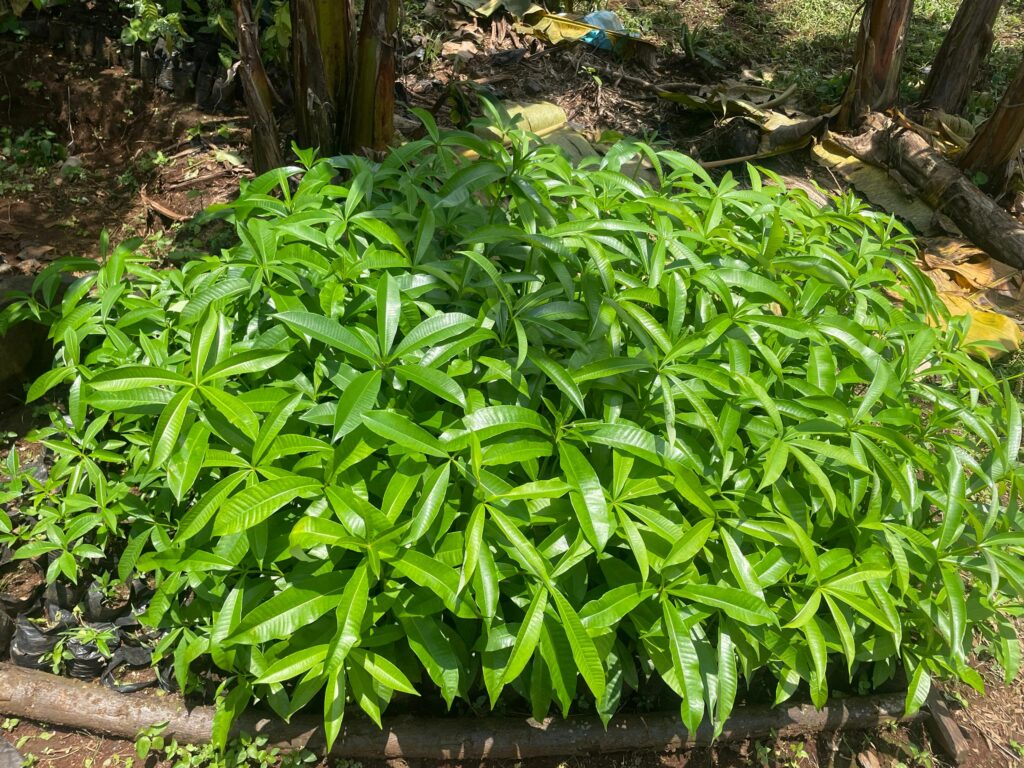
At the core of our environmental work is FASTEC – FAFSAR’s Shade Tree for Cameroon, also known as the Miracle Tree Project. FASTEC is an environmental sustainability initiative focused on climate resilience, urban safety, and community empowerment through the mass domestication of Alstonia Scholaris and Alstonia Bonnie trees.
The FASTEC Vision
Across Cameroon, many public spaces are planted with tree species that are poorly suited for urban environments. Over time, these trees become overgrown and structurally unstable, posing risks such as falling branches, property damage, and accidents.
FASTEC was created to offer a safer, more sustainable alternative.
The Alstonia tree is a long-living shade tree with a lifespan of up to 100 years. Unlike many wild-growing species, Alstonia can be shaped and groomed, making it ideal for use in streets, hospitals, schools, villages, and other public spaces. In addition to its safety benefits, Alstonia contributes significantly to carbon sequestration, absorbing carbon dioxide from the atmosphere and supporting a healthier environment.
Proven Community Action
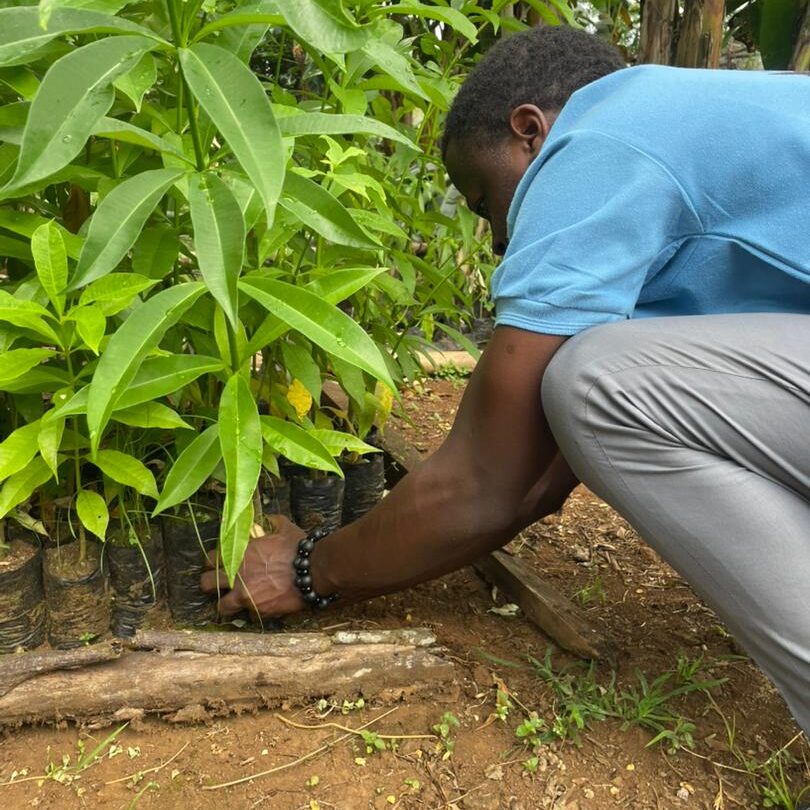
Through its nursery in Mokindi, Limbe, FAFSAR has successfully test-planted over 2,000 Alstonia shade trees at strategic locations across Limbe City, including:
Manga William Neighborhood
Baha’i Center
Bota Hospital
Central Police Station
Other community and public locations
These pilot plantings demonstrate the feasibility, adaptability, and environmental value of Alstonia trees in Cameroon’s urban and community settings.
Research & Environmental Advocacy
FAFSAR’s ongoing research indicates that Terminalia ivorensis, widely planted in several major Cameroonian cities such as Yaoundé, Douala, and Kumba, presents limitations in terms of long-term environmental health and urban safety.
Based on these findings, FAFSAR advocates for evidence-based review and improvement of urban tree-planting practices, including the introduction of better-suited species such as Alstonia, where appropriate.
Our Goals
FAFSAR and FASTEC are working toward measurable national impact through the following objectives:
Engaging local and urban communities nationwide through awareness campaigns and sustainability programs
Collaborating with organizations and institutions to provide training, research, and environmental development opportunities
Planting 15 million shade trees across Cameroon within five years, focusing on hospitals, streets, villages, schools, and public spaces
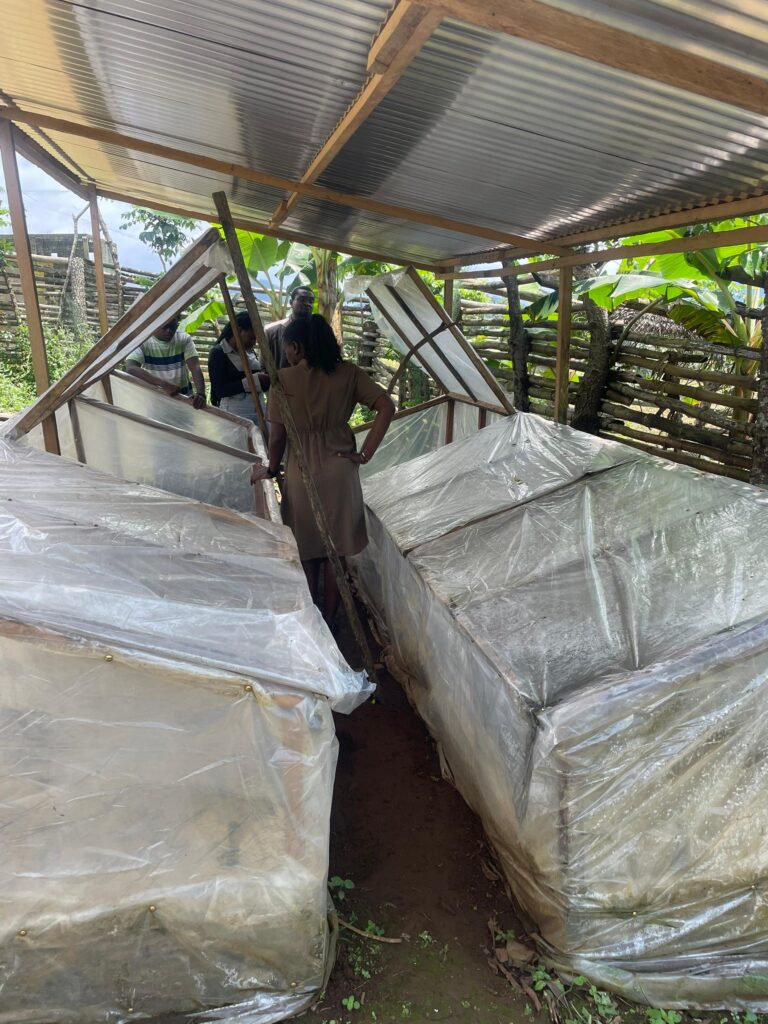
To support these goals, FAFSAR has expanded its nursery in Mokindi, Limbe, increasing its capacity for large-scale tree propagation.
Partnership & Collaboration
FAFSAR believes that lasting environmental change is achieved through partnership, research, and community participation. We welcome collaboration with organizations, institutions, and individuals who share our commitment to environmental sustainability and social development.
Together, we can create safer urban spaces, greener communities, and a more resilient Cameroon.
Get Involved
📧 Email: fafsarcm@gmail.com
📞 Phone: +237 652 842 624
🌐 Website: FAFSAR.org
FAFSAR – Foundation for the Assistance of Further Studies and Research
FASTEC – FAFSAR’s Shade Tree for Cameroon